Overview
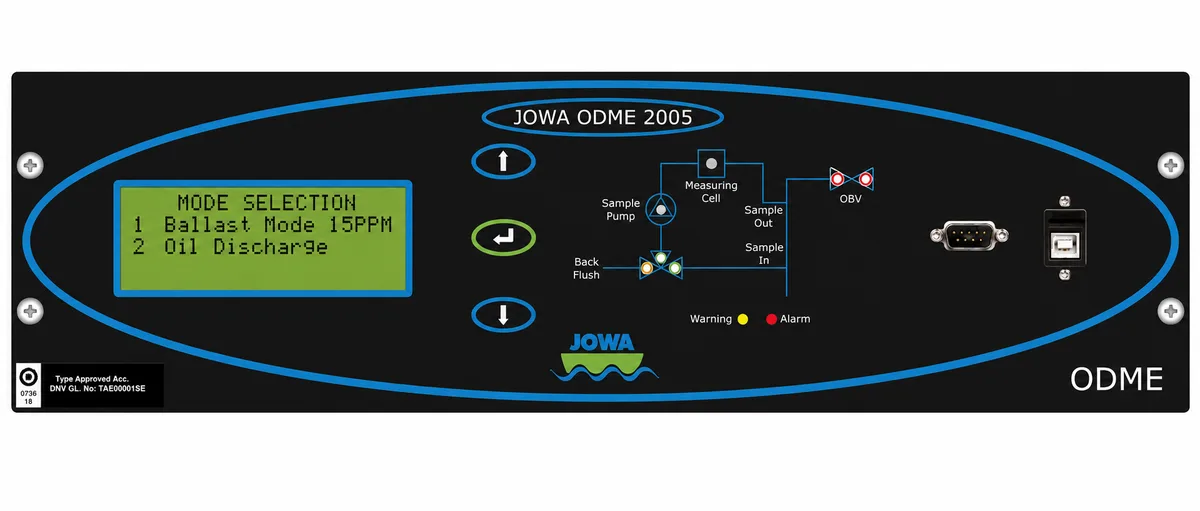
JOWA ODME 2005 – Advanced Oil Discharge Monitoring Equipment for Tankers
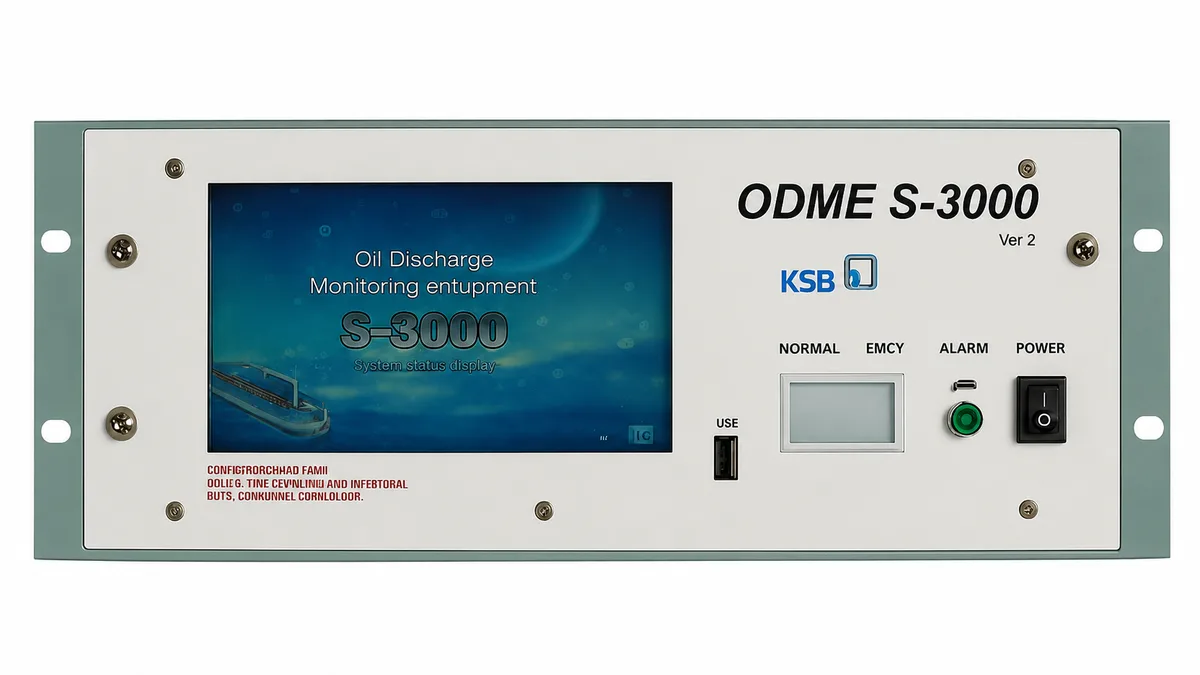
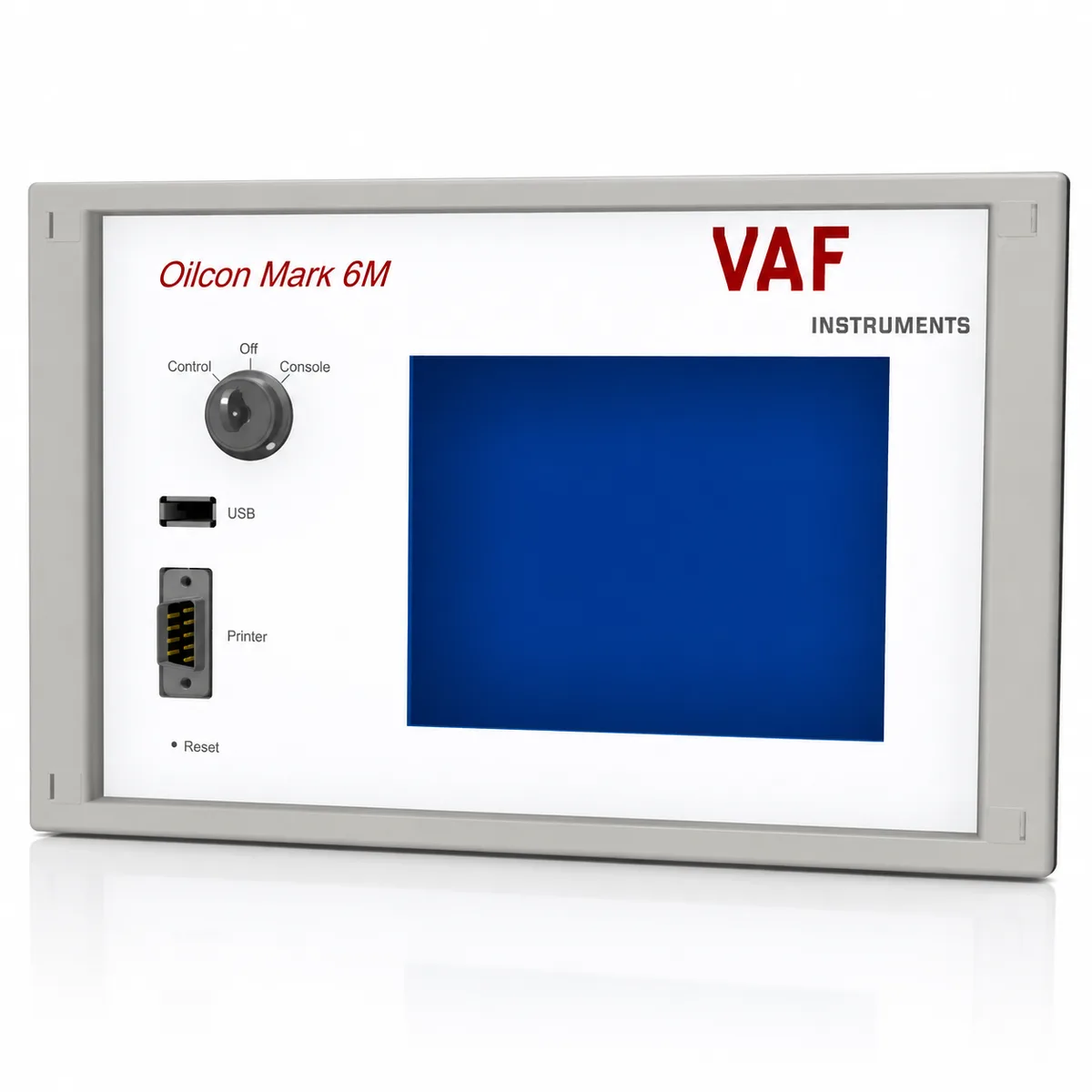
The JOWA ODME 2005 (Oil Discharge Monitoring Equipment) is an IMO-approved monitoring system designed for oil tankers to continuously measure, monitor, and record oil discharge during cargo tank cleaning and ballast water discharge operations. The system helps vessels comply with MARPOL Annex I by accurately monitoring oil concentration, discharge rate, vessel position, and operational parameters while automatically controlling overboard discharge when permitted limits are exceeded. Designed for reliable operation in demanding marine environments, the JOWA ODME 2005 combines advanced monitoring technology with user-friendly operation and dependable long-term performance.
At Ship Care Service, we supply genuine JOWA ODME 2005 systems, replacement spare parts, sensors, calibration support, and technical assistance for oil tankers, offshore vessels, shipyards, and marine operators worldwide.
What is the JOWA ODME 2005?
The JOWA ODME 2005 is an Oil Discharge Monitoring Equipment (ODME) system installed on oil tankers to continuously monitor oily water discharged during cargo operations and ballast discharge.
The system measures oil concentration, discharge flow, vessel speed, GPS position, and total discharged oil quantity. It records operational data and automatically controls overboard discharge to help vessels operate within IMO and MARPOL discharge requirements.
Why is Oil Discharge Monitoring Equipment Important?
Oil tankers are required to monitor and record oily discharge during cargo operations in accordance with international marine pollution regulations.
A properly operating ODME system helps operators:
Support compliance with MARPOL Annex I
Monitor oil discharge in real time
Record discharge history
Reduce environmental pollution
Support Port State Control inspections
Improve operational safety
Protect marine ecosystems
How the JOWA ODME 2005 Works
The JOWA ODME 2005 continuously monitors discharge operations whenever oily mixtures are discharged overboard.
Step 1 – Sampling the Discharge Line
A representative sample of discharged water is continuously taken from the discharge pipeline through the sampling arrangement.
Step 2 – Oil Concentration Measurement
The oil content measuring unit continuously analyzes the sampled discharge and determines the oil concentration before discharge overboard.
Step 3 – Data Collection
The control unit continuously receives information from connected sensors, including:
Oil concentration
Flow rate
Vessel speed
GPS position
Date and time
Total discharge quantity
The system processes this information in real time.
Step 4 – Automatic Monitoring & Control
If discharge conditions exceed permitted limits, the ODME can:
Activate alarms
Record alarm events
Control overboard discharge
Operate associated valves where configured
Store operational records for inspection
Key Features of the JOWA ODME 2005
Continuous Oil Discharge Monitoring
The system continuously monitors oil concentration and discharge conditions during tanker operations.
IMO & MARPOL Compliance
The JOWA ODME 2005 is designed to support compliance with applicable IMO and MARPOL Annex I requirements for oil tanker discharge monitoring.
Automatic Operational Recording
The system automatically records operational parameters including:
Oil concentration
Discharge rate
GPS position
Date & Time
Operational events
Alarm history
Integrated Alarm Functions
The ODME provides visual and audible alarms whenever monitored parameters exceed permitted operating limits.
User-Friendly Display Interface
Operators can easily monitor system status, discharge information, alarm conditions, and recorded operational data from the display unit.
Reliable Marine Construction
Designed specifically for marine applications, the JOWA ODME 2005 offers dependable operation under demanding onboard conditions.
Typical Applications
The JOWA ODME 2005 is commonly installed on:
Industries We Serve
The JOWA ODME 2005 is widely used across:
Who Uses the JOWA ODME 2005?
Typical users include:
Chief Engineers
Cargo Officers
Marine Engineers
Technical Superintendents
Shipowners
Ship Management Companies
Offshore Operators
Marine Service Engineers
Environmental Compliance Officers
Why Choose the JOWA ODME 2005?
Marine operators worldwide choose the JOWA ODME 2005 because it provides:
Continuous oil discharge monitoring
Reliable oil concentration measurement
Automatic operational recording
Integrated alarm functions
Support for IMO & MARPOL compliance
User-friendly operation
Reliable long-term marine performance
Proven suitability for tanker applications
Technical Overview
The JOWA ODME 2005 (Oil Discharge Monitoring Equipment) is an IMO-approved monitoring system developed for oil tankers to continuously monitor, calculate, record, and control oil discharge during cargo tank cleaning, slop discharge, and dirty ballast operations. Installed as part of the vessel's cargo handling system, the ODME continuously measures oil concentration, discharge flow, vessel speed, position, and total oil discharged to ensure operations remain within applicable MARPOL Annex I discharge limits.
The system consists of a control unit, oil content analyzer, sampling unit, flow meter interface, GPS interface, and associated sensors. During operation, the ODME continuously processes measurement data, calculates discharge performance, records operational history, and activates alarms or automatic discharge control when operating limits are exceeded.
Designed specifically for marine tanker applications, the JOWA ODME 2005 provides dependable long-term performance, accurate monitoring, automated record keeping, and reliable environmental compliance.
Note: System configuration may vary depending on vessel design, cargo handling arrangement, automation system, and classification society requirements. Always verify equipment configuration using the equipment nameplate and official JOWA documentation.
Main Components of the JOWA ODME 2005
The JOWA ODME 2005 consists of multiple integrated components working together to provide continuous discharge monitoring.
Control Unit
The control unit manages all monitoring, recording, and alarm functions.
Its functions include:
Operators can monitor system status and discharge information through the control interface.
Oil Content Analyzer
The analyzer continuously measures the oil concentration within the sampled discharge.
Its functions include:
Continuous oil concentration measurement
Stable monitoring performance
Real-time discharge analysis
Long-term operational reliability
Sampling Unit
The sampling system continuously extracts a representative sample from the discharge pipeline.
Proper sample quality is essential for accurate oil concentration measurement.
Flow Measurement Interface
The ODME receives discharge flow information from the vessel's flow measurement system.
The recorded flow data is used to calculate:
Total discharge volume
Oil discharge rate
Oil quantity discharged
GPS Interface
The GPS interface continuously receives vessel position data including:
Latitude
Longitude
Vessel speed
Date
Time
This information is automatically included within discharge records.
Alarm System
The integrated alarm system provides immediate notification when monitored parameters exceed permitted operating limits.
Alarm outputs may be connected to the vessel's automation system depending on installation.
Working Principle
The JOWA ODME 2005 continuously supervises tanker discharge operations whenever oily mixtures are discharged overboard.
Step 1 – Sample Collection
A representative sample is continuously collected from the discharge pipeline through the sampling system.
Step 2 – Oil Concentration Measurement
The oil content analyzer continuously measures oil concentration within the sampled discharge.
Step 3 – Operational Data Processing
The control unit continuously processes:
Oil concentration
Discharge flow
Vessel speed
GPS position
Time & Date
Total discharge quantity
The system automatically calculates discharge performance in accordance with regulatory requirements.
Step 4 – Alarm & Automatic Control
If discharge conditions exceed permitted limits, the ODME can:
Activate visual alarms
Activate audible alarms
Record operational events
Stop or control overboard discharge (depending on vessel configuration)
Store discharge history for inspection
Advantages of the JOWA ODME 2005
Continuous Discharge Monitoring
The system continuously monitors oil discharge throughout cargo and ballast operations.
Automatic Operational Recording
Operational records are automatically stored without manual intervention, simplifying inspection and compliance reporting.
Integrated GPS Monitoring
GPS position and vessel speed are continuously recorded alongside discharge information.
Reliable Alarm Protection
The ODME immediately alerts operators whenever discharge parameters exceed configured limits.
User-Friendly Operation
The digital display allows operators to easily monitor:
Marine-Grade Construction
The JOWA ODME 2005 is designed for reliable operation under demanding marine conditions including:
Routine Maintenance
Routine maintenance helps ensure reliable long-term monitoring performance.
Before Operation
Inspect:
Control unit
Display
Alarm indicators
Sampling system
Electrical connections
Verify normal system status before cargo discharge operations begin.
Weekly Inspection
Check:
Sampling lines
Oil content analyzer
Alarm operation
Display information
Visible leakage
Flow connections
Inspect the sampling arrangement for contamination or restrictions.
Monthly Inspection
Inspect:
Oil content analyzer
Sampling unit
Electrical wiring
GPS interface
Flow meter interface
Connectors
Mounting hardware
Clean components as recommended by JOWA maintenance procedures.
Annual Maintenance
Recommended annual maintenance includes:
Maintenance activities should be recorded within the vessel's Planned Maintenance System (PMS).
Common Operational Problems
Although the JOWA ODME 2005 is designed for dependable long-term operation, operational issues may occasionally occur.
Problem: High Oil Concentration Alarm
Possible Causes
Recommended Solution
Inspect the sampling system, verify cargo discharge conditions, and inspect the oil analyzer.
Problem: No Sample Flow
Possible Causes
Recommended Solution
Inspect the complete sampling arrangement and restore normal sample flow.
Problem: GPS Communication Fault
Possible Causes
Recommended Solution
Verify GPS communication, electrical connections, and signal availability.
Problem: Flow Measurement Error
Possible Causes
Flow meter malfunction
Communication failure
Incorrect calibration
Electrical fault
Recommended Solution
Inspect the flow meter interface and verify signal integrity.
Problem: Display or System Fault
Possible Causes
Recommended Solution
Verify electrical supply, inspect wiring, and perform system diagnostics according to JOWA procedures.
Calibration Recommendations
Periodic calibration verification helps maintain monitoring accuracy.
Calibration is generally recommended:
During scheduled maintenance
After replacing the analyzer
Following major repairs
After extended shutdown
According to JOWA maintenance procedures
As required by the vessel's Planned Maintenance System
Genuine Spare Parts Available
Ship Care Service supplies genuine replacement parts for the JOWA ODME 2005, including:
Availability depends on the installed system configuration.
Buying Guide
Before purchasing a JOWA ODME 2005 or replacement components, consider the following:
Verify System Compatibility
Confirm compatibility with the vessel's cargo monitoring and discharge system.
Confirm Equipment Identification
Providing the following information helps identify compatible replacement components:
Choose Genuine Components
Using genuine replacement parts helps maintain:
Accurate discharge monitoring
Reliable alarm operation
Long equipment service life
Regulatory compliance
Full compatibility with the installed system
Work with an Experienced Marine Supplier
Choose a supplier capable of providing:
Genuine JOWA products
Technical assistance
Spare parts support
Worldwide marine supply
After-sales service
Why Marine Operators Choose the JOWA ODME 2005
The JOWA ODME 2005 is trusted because it offers:
Continuous oil discharge monitoring
Automatic operational recording
GPS integration
Reliable alarm functions
User-friendly operation
Support for IMO & MARPOL compliance
Proven performance on oil tankers
Reliable long-term marine operation